


Drip Irrigation

Your cart is empty
Drip irrigation delivers water directly to the root zone through low-flow tubing and emitters instead of spraying it through the air, which means less evaporation, less runoff, and more water actually reaching the plant. It's the standard choice for garden beds, containers, foundation plantings, and anywhere spray or rotor coverage would overshoot the target. Shop tubing, emitters, fittings, and conversion kits to build a new drip zone or retrofit an existing one.
Drip irrigation trades spray and rotor heads for a low-pressure network of tubing and emitters that release water slowly, right at the base of the plant. Because the water goes into the soil instead of through the air, drip systems typically use a fraction of the water a spray zone needs to cover the same area — and since nothing is spraying above ground, there's no overspray onto walkways, patios, or the side of the house.
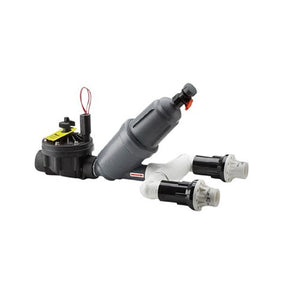
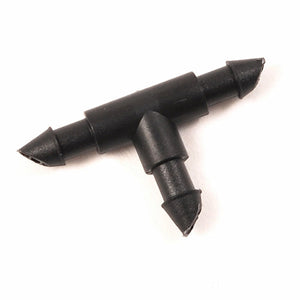
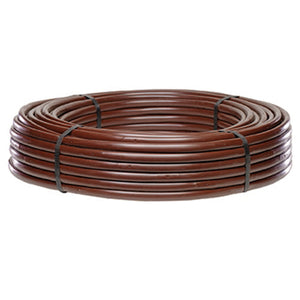
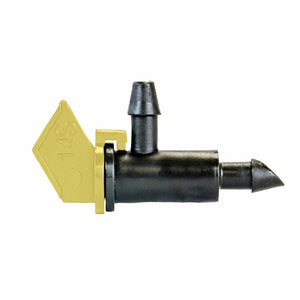
A drip zone is built from a few core parts: [internal link: Tubing] carries water from the valve out to the planting area, Drippers/Emitters release it at a controlled rate at each plant, and Fittings connect and branch the tubing to reach every point in the layout. For anyone converting an existing spray zone rather than building new, Control & Conversion Kits adapt a standard valve or spray head into a drip-ready connection without re-plumbing the zone.
Drip works especially well for garden beds, foundation plantings, containers, and anywhere plant spacing is irregular — situations where a spray or rotor pattern would waste water on bare soil or mulch between plants. It's also one of the more forgiving systems to expand later, since new tubing runs and emitters can usually be added to an existing line without redesigning the whole zone.
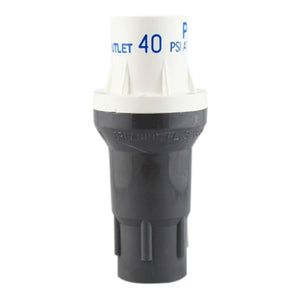
Because everything runs at low flow and low pressure, drip systems are also more sensitive to two things: water quality and pressure regulation. Emitters can clog with sediment over time, and running a drip zone at standard spray-zone pressure can blow fittings apart or blast tubing off its connections — which is why most conversion kits include a pressure-reducing filter as standard, not an optional add-on.
Not sure whether a zone should run drip, spray, or rotor? The Learn HUB has planning guides that walk through matching irrigation type to plant type, spacing, and existing system layout.

Industry-leading lighting, irrigation, and landscape supplies - curated for performance and reliability.

Step-by-step project guides, troubleshooting help, and expert tips to make every job easier.

Quick delivery from our nationwide distribution centers.

Unlock special pricing and bulk discounts on select products.