

Professional Landscaping Tools
The right tool turns a frustrating repair into a fast one - landscaping and irrigation work both depend on having tools built for the specific job rather than making do with whatever's on hand. Shovels, rakes, and soil probes handle digging and site prep; hammers and mallets drive stakes and fittings into place; channel locks and pliers grip and turn fittings that hand strength alone can't manage. Shop professional-grade tools built for efficient landscape installations and repairs.
Professional Landscaping Tools
Landscaping and irrigation work is repetitive by nature — digging trenches, driving stakes, tightening fittings — and the tools built for that repetition hold up differently than general-purpose hardware store equivalents. A shovel that flexes under heavy clay soil, pliers that slip on a stubborn fitting, or a mallet head that chips after a season of use all turn a straightforward task into a frustrating one, which is why quality matters more here than it might for tools used occasionally.
Digging and site prep tools — shovels, rakes, soil probes — are usually the first tools out on any project, whether that's trenching for a new irrigation line, prepping a bed for planting, or checking soil conditions before finalizing a layout. A soil probe in particular is worth having on hand beyond the initial install, since it's one of the fastest ways to check moisture levels at root depth without digging up a section of lawn.
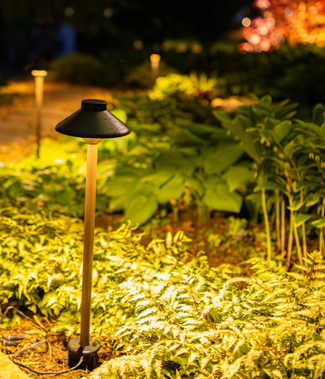
Hammers and mallets handle the driving work — setting stakes for Path Lights and other landscape fixtures, seating fittings, or knocking components into alignment during installation. A rubber or dead-blow mallet is generally the better choice around finished fixtures and fittings, since it drives with enough force to seat a part without the risk of cracking material that a steel hammer head could damage.
Channel locks and pliers solve the gripping and turning problems that come up constantly in irrigation and lighting work — tightening a fitting, holding a pipe steady while cutting it, or adjusting a connector that's too tight for fingers alone. Having the right jaw size and grip strength for the fitting at hand prevents the rounded edges and stripped connections that come from forcing the wrong tool into the job.
Whether you're installing a new system or maintaining an existing one, having the right tools on hand from the start saves time on every project that follows. Pairing landscaping tools with Safety Supplies rounds out a properly equipped toolkit for any outdoor project. The Learn HUB has project guides that call out the specific tools needed for common irrigation and lighting installs.


