




Valves
Valves control where and when water flows in an irrigation system — the component that actually opens and closes to start or stop a zone. Electric valves connect to a controller for automated, scheduled watering across multiple zones; manual valves are operated by hand, commonly used for emergency shut-off or zones that don't need automation. Shop heavy-duty electric and manual valves, plus manifolds for organizing multiple valves in one location, from trusted brands like Rain Bird and Hunter.
Valves
A valve is the point in an irrigation system where water is actually allowed through or shut off — every other component in a zone, from the controller's schedule to the sprinkler head's pattern, is only relevant once the valve opens. Choosing the right valve type and getting it sized correctly for the zone is one of the more consequential decisions in a system, since a valve that's too small restricts flow and one with a weak solenoid or worn seal is a common source of a zone that won't fully shut off.
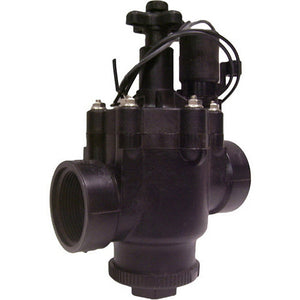
Electric Valves are built to connect to an irrigation controller, opening and closing automatically on a programmed schedule. A solenoid — an electrically activated plunger — is what physically triggers the valve, and its reliability is what determines whether a scheduled cycle actually runs or a zone gets skipped. Electric valves are the standard for any system with more than one or two zones, since manually opening and closing valves for every watering cycle isn't practical at scale.
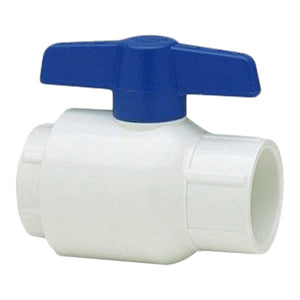
Manual Valves are operated by hand rather than by a controller, which makes them the standard choice for a main shut-off point — the valve you turn to kill water to the entire system for a repair — or for zones that genuinely don't need automated scheduling. Brass manual valves hold up longer under repeated use and UV exposure than plastic, though heavy-duty plastic versions cost less and work fine for less frequently used shut-offs.
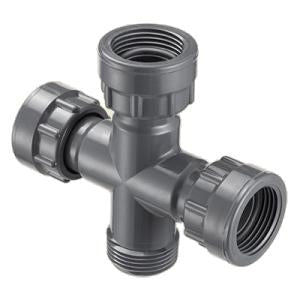
When a system has several valves controlling different zones, a Manifold setup groups them together at a single point rather than scattering them across the property, which makes maintenance, troubleshooting, and future expansion significantly easier — you know exactly where to look when a specific zone needs attention.
Sizing a valve to match your Controllers station count and your zone's flow requirements is worth checking before buying, and any valve installed downstream of the main water line should be paired with the right Backflow Prevention to keep irrigation water from siphoning back into the potable supply. The Learn HUB has guides for choosing between electric and manual valves and sizing a valve to a zone.


