




Backflow Prevention

Your cart is empty
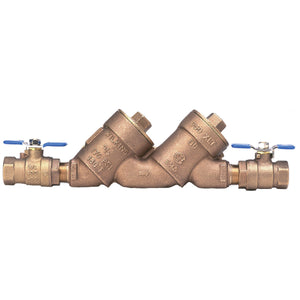
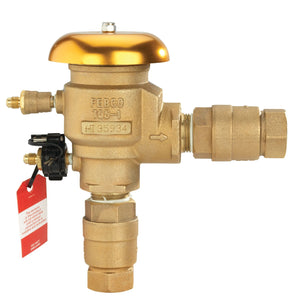
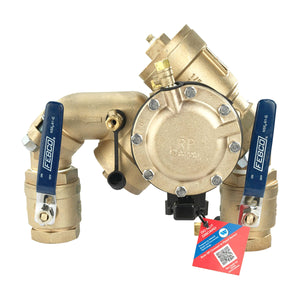
Backflow prevention keeps irrigation water from siphoning backward into your home's or property's potable water supply — a safety requirement in most jurisdictions, not an optional upgrade. Double Check Valve Assemblies suit low-hazard residential systems; Pressure Vacuum Breakers handle sprinkler systems where the assembly sits above the highest head; Reduced Pressure Zone assemblies provide the highest level of protection for higher-hazard or commercial applications. Shop commercial-grade assemblies and repair kits to keep your system compliant.
An irrigation system connects directly to your potable water supply, which creates a real risk: if pressure in the irrigation line ever exceeds pressure in the main water line — from a pump, a drop in city water pressure, or a cross-connection — water (along with anything it picked up in the yard, like fertilizer or soil) can siphon backward into the drinking water supply. Backflow prevention assemblies exist specifically to stop that from happening, and most local codes require one on any irrigation system tied into a potable water line.
The three main types differ in how much protection they provide and where they're required. Double Check Valve Assembly (DCVA) uses two independent check valves in series, providing reliable protection for low-hazard residential irrigation where the risk of contamination is relatively low. Pressure Vacuum Breaker (PVB) protects against back-siphonage specifically and must be installed above the highest sprinkler head in the system to function correctly, which affects where it can physically be placed in a layout. Reduced Pressure Zone Assembly (RPZ) provides the highest level of protection available, actively venting water to atmosphere if pressure conditions become unsafe, and is typically required for higher-hazard applications like systems with fertilizer injection or commercial sites.
Because backflow prevention is usually a code requirement rather than a preference, the right assembly type often depends on local regulations and the specific hazard level of your system — worth confirming with your local water authority or an inspector before installing or replacing one, since requirements vary by jurisdiction.
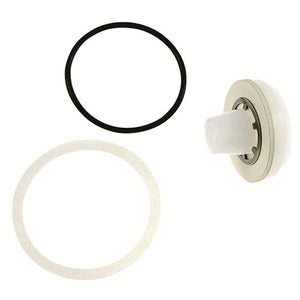
If an existing assembly is failing a test or showing signs of wear, Parts & Repair Kits cover common replacement components without requiring a full assembly swap. The Learn HUB has guides for understanding which backflow assembly type applies to different system setups.

Industry-leading lighting, irrigation, and landscape supplies - curated for performance and reliability.

Step-by-step project guides, troubleshooting help, and expert tips to make every job easier.

Quick delivery from our nationwide distribution centers.

Unlock special pricing and bulk discounts on select products.