





Sprinklers
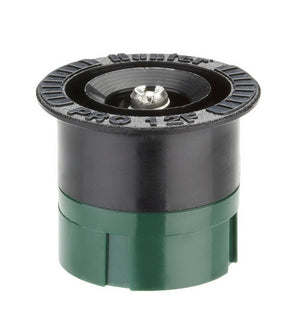
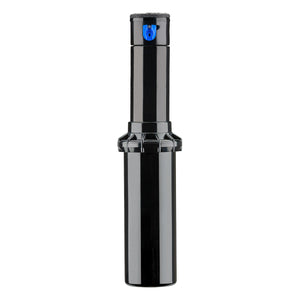
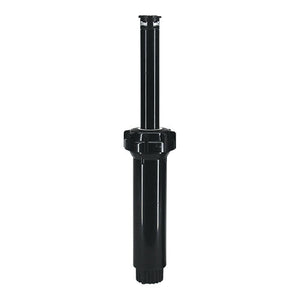
The Sprinklers collection covers everything that puts water on your lawn: nozzles, rotors, and spray heads built for reliable, repeatable coverage. Choose spray heads for smaller or irregular zones, rotors for larger open turf, and nozzles to fine-tune the radius and pattern on either one. Shop commercial-grade hardware from trusted brands like Hunter and Rain Bird, sized for residential and light commercial installs.
Sprinklers
A sprinkler system is really three decisions layered on top of each other: which head type fits the zone, which nozzle sets the pattern, and how the pieces are spaced to avoid gaps or overlap. Getting any one of the three wrong shows up the same way — brown patches, soggy corners, or water landing where it isn't needed.
[internal link: Sprays] are the default for smaller or irregularly shaped zones — garden beds, strips along a walkway, small lawns — because they apply their full pattern quickly and are easy to fit into tight spaces. Rotors take over on larger, more open turf, where their slower, sweeping application reduces runoff and covers more ground per head. Nozzles thread into either type and are what actually determine radius, arc, and how evenly water lands across the zone — often the simplest and cheapest fix when a zone isn't watering the way it should.
Head spacing is where a lot of DIY installs go wrong. Heads are meant to be spaced so their patterns just reach the next head over — called head-to-head coverage — which sounds like overkill until you remember that a sprinkler's output naturally tapers toward the edge of its throw. Space heads too far apart and the zone develops dry rings between them; space them too close and you're paying for water you don't need.
Whether you're laying out a new zone from scratch or replacing failed heads in an existing system, matching head type, nozzle, and spacing to the specific shape of your yard is what separates even coverage from a lawn with a few stubbornly dry corners. The Learn HUB has step-by-step guides for planning new sprinkler layouts and diagnosing common coverage problems in systems that are already in the ground.


